

a Used Vehicle’s Battery and Tires
The intense North Carolina summer sun is not just a challenge for us; it is a significant source of stress for our vehicles. While many drivers associate car trouble with cold winter mornings, the sweltering heat of a Southern summer can be even more damaging, particularly to a used vehicle’s most critical components: the battery and the tires. The relentless high temperatures accelerate chemical reactions and degrade materials, silently compromising your vehicle's reliability and safety. Understanding how this heat affects your car is the first step toward proactive maintenance that can save you from being stranded on the side of the road. A battery that fails or a tire that blows out during a heatwave is not just an inconvenience; it can be a serious safety hazard. At our dealership, we want every customer to be informed about how to care for their investment long after they drive off the lot.
Protecting your vehicle from the harsh summer elements is essential for ensuring its longevity and performance. By understanding the specific risks that heat poses to both your battery and your tires, you can take simple, preventative steps to mitigate potential damage. This knowledge is especially valuable when you own a pre-owned vehicle, as its components have a history you may not be fully aware of. Let’s explore the science behind the heat's impact and the practical measures you can take to keep your car running safely all summer long.
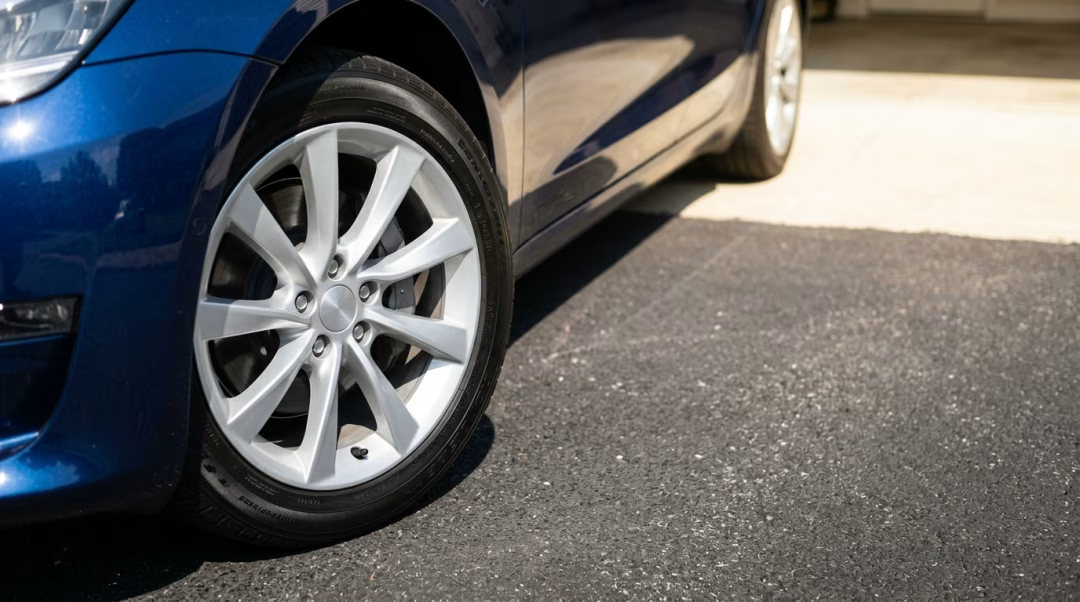
The Silent Strain: A Deep Dive into Summer's Impact on Your Vehicle
When the temperatures in North Carolina climb into the 90s and the asphalt radiates intense heat, your vehicle is engaged in a constant battle. Two of the most vulnerable parts in this fight are the battery and the tires. These components are often overlooked until a problem arises, but summer conditions create the perfect storm for failure. For owners of pre-owned vehicles, paying close attention to these areas is not just recommended; it is crucial for dependable transportation. Before browsing our used inventory, understanding these factors can help you make a more informed decision and care for your future vehicle properly.
How Searing Heat Degrades Your Car Battery
Most people believe that cold weather is what kills a car battery. While it is true that a cold engine requires more power to start, it is actually the summer heat that inflicts the most damage and shortens a battery's lifespan. The extreme heat under your vehicle’s hood can accelerate the degradation of the battery's internal components significantly.
Inside a standard lead-acid car battery, a chemical reaction occurs within an electrolyte solution (a mix of sulfuric acid and water) to generate electricity. High temperatures speed up this reaction, which can lead to overcharging and internal corrosion of the lead plates. Furthermore, the intense heat causes the water in the electrolyte solution to evaporate more quickly, lowering the fluid level and exposing the lead plates. This exposure leads to a process called sulfation, where lead sulfate crystals form on the plates, inhibiting the battery's ability to accept and hold a charge. Essentially, summer heat cooks the life out of your battery, and the damage often does not become apparent until the first cold snap of winter when the weakened battery finally fails to start the car.
Warning Signs of a Heat-Damaged Battery
- A slow or sluggish engine crank when you turn the key.
- Interior lights or headlights appearing dimmer than usual.
- A battery warning light illuminated on your dashboard.
- Visible corrosion (a white or bluish, powdery substance) around the battery terminals.
- A swollen or bloated battery case, indicating internal damage from heat buildup.
If you are concerned about the condition of the battery in a potential purchase, it is one of the key items to review. We have a helpful guide on what to check under the hood before buying any used vehicle that provides more detail.
The Pressure is On: Summer’s Assault on Your Tires
Your tires are the only part of your vehicle that makes contact with the road, and that road surface can become incredibly hot during a North Carolina summer. This constant exposure to extreme heat, combined with the sun's direct UV radiation, poses a significant threat to the structural integrity of your tires.
The primary effect of heat on tires relates to air pressure. For every 10-degree Fahrenheit increase in ambient temperature, tire pressure increases by approximately one pound per square inch (PSI). A tire that is properly inflated in the cool morning can become dangerously over-inflated by the afternoon. Over-inflation reduces the amount of tread making contact with the road, leading to decreased traction, a harsher ride, and uneven wear in the center of the tread. More importantly, the combination of high internal pressure and the flexing of the tire as it rolls down the hot asphalt generates immense heat, dramatically increasing the risk of a catastrophic blowout.
Beyond pressure, the sun's UV rays attack the rubber compounds in your tires, causing the oils and chemicals that keep the rubber flexible to break down. This leads to dry rot, which appears as tiny cracks on the sidewall and in the tread grooves. This degradation weakens the tire from the inside out, making it more susceptible to failure under stress. When inspecting a used vehicle, it is vital to know what you should inspect on the tires before making a commitment.
Tips to Protect Your Tires in the Heat
- Check your tire pressure at least once a month, always when the tires are cold (before driving).
- Inflate tires to the pressure recommended on the sticker inside the driver’s side doorjamb, not the maximum pressure listed on the tire sidewall.
- Regularly inspect your tires for cracks, bulges, and uneven wear.
- Whenever possible, park in the shade or a garage to protect tires from direct UV exposure.
- Avoid overloading your vehicle, as excess weight adds more stress and heat to your tires.
Why This Matters More for a Used Vehicle
When you purchase a used vehicle, the battery and tires have an existing history. They have already endured previous summers and may be closer to the end of their functional lifespan. An older battery will have less resilience to heat-induced fluid loss and corrosion, while older tires may already have some level of UV degradation. This makes regular inspection and proactive maintenance even more critical. By choosing a reputable dealership that thoroughly inspects its vehicles, you can have greater confidence in the condition of these vital components. If you want to learn more about our commitment to quality, please read about our history on our about us page.
Frequently Asked Questions About Summer Vehicle Care
How often should I check my tire pressure in the North Carolina summer?
During the hottest months, it is a wise practice to check your tire pressure every two weeks, or at a minimum, once a month. Always check the pressure in the morning before you have driven the vehicle, as driving heats up the tires and gives an inaccurate, higher reading. Maintaining proper inflation is one of the most effective ways to prevent a heat-related blowout.
Can the summer heat actually make my car battery explode?
While extremely rare, it is technically possible. Extreme heat can cause the battery's internal pressure to build up. If the battery's vents are clogged, the hydrogen gas produced during the charging process can ignite from a spark, leading to an explosion. This is why it is important to keep the battery clean and ensure the terminals are free of corrosion that could block the vents.
Does parking in a garage really make a difference for my battery and tires?
Absolutely. Parking in a garage or even in a shaded spot offers significant protection. It keeps the ambient temperature under the hood lower, slowing the rate of battery fluid evaporation and chemical degradation. For tires, it shields them from direct, damaging UV radiation from the sun, which is a primary cause of dry rot and premature aging of the rubber.
What is a good tire pressure for my vehicle during the summer?
The best tire pressure is always the one recommended by the vehicle manufacturer, not a specific number for the season. You can find this information on a sticker located on the driver's side doorjamb or in your owner's manual. Do not use the "max pressure" number printed on the tire's sidewall. Following the manufacturer's specification ensures optimal safety, handling, and tire life, regardless of the season.
How can I tell if the battery in a used car is old?
Most car batteries have a date code sticker on them. This code typically consists of a letter and a number. The letter corresponds to the month (A for January, B for February, etc.), and the number represents the year (e.g., 3 for 2023). A battery that is more than three or four years old, especially in a hot climate like North Carolina, is nearing the end of its reliable service life and should be tested professionally.
